
When faced with a lock-related issue, many homeowners and business owners find themselves at a crossroads: should they attempt a DIY fix or call a professional locksmith? While the internet is filled with tutorials and quick-fix solutions, not every lock problem is suitable for a do-it-yourself approach. Understanding the difference between what you can safely handle and when to call in the experts can save you time, money, and potential security risks. In this comprehensive guide, we'll explore the pros and cons of both approaches to help you make the right decision for your specific situation.
Understanding the Appeal of DIY Lock Solutions
The do-it-yourself approach has become increasingly popular, especially with countless online tutorials and affordable tools readily available. Many people are drawn to DIY solutions because they seem cost-effective and convenient. Simple tasks like lubricating a sticky lock, tightening loose door hardware, or replacing basic batteries in electronic locks can often be handled without professional assistance.
However, the reality is that lock and security systems have become significantly more sophisticated. What appears to be a straightforward problem may actually involve complex mechanisms that require specialized knowledge and equipment. Before attempting any DIY lock repair, it's essential to honestly assess your skill level and the complexity of the task at hand.
When DIY Lock Solutions Make Sense
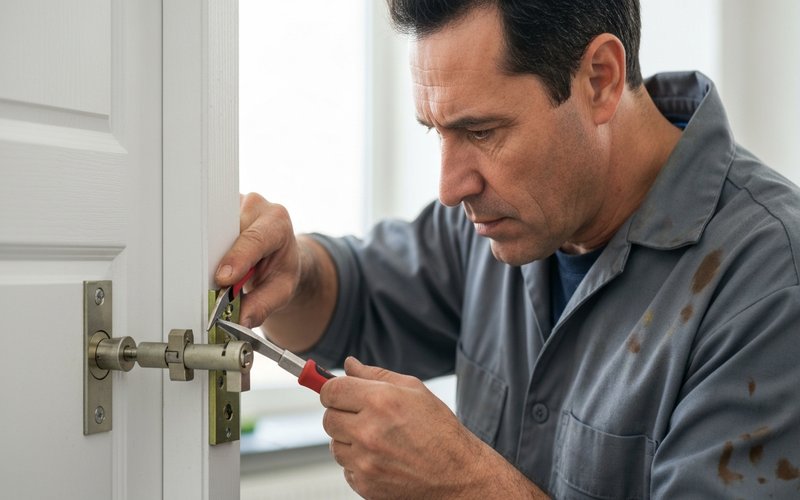
There are certain situations where a DIY approach is perfectly acceptable and can be accomplished safely:
- Basic maintenance tasks: Cleaning keyholes, applying graphite lubricant to sticky locks, or dusting electronic keypads are simple maintenance tasks that most homeowners can handle.
- Battery replacements: Many modern electronic locks and smart locks require periodic battery changes, which are typically straightforward with manufacturer instructions.
- Minor adjustments: Tightening loose screws on door hardware or adjusting strike plates that have shifted slightly can often be done with basic tools.
- Simple lock installation: If you're replacing a basic interior door lock with an identical model, and you have some handyman experience, this may be within your capabilities.
The Hidden Risks of DIY Locksmith Work
What many people don't realize is that attempting to fix lock problems without proper training can lead to serious consequences. Broken keys stuck in locks, damaged lock mechanisms, and voided warranties are just a few of the common issues that arise from well-intentioned DIY attempts.
One of the most significant risks is compromising your security. An improperly installed or repaired lock may appear to function correctly but could leave your property vulnerable to break-ins. Additionally, modern locks often have anti-tampering features that can be permanently damaged if handled incorrectly, requiring complete replacement rather than simple repair.
The financial implications can also be substantial. While DIY might seem like a money-saving option initially, many homeowners end up spending more when they have to call a professional to fix both the original problem and the damage caused by their DIY attempt.
When to Call a Professional Locksmith
Certain situations absolutely require the expertise of a licensed, professional locksmith. These include:
- Lockouts: Whether you're locked out of your home, car, or business, a professional locksmith can provide quick, non-destructive entry without damaging your locks or doors.
- Key creation for existing locks: Can a locksmith create a key for an existing lock? Absolutely. Professional locksmiths have the specialized equipment to create keys by code or by examining the lock cylinder itself.
- Rekeying services: When you need to change who has access to your property without replacing entire locks, rekeying requires professional expertise and specialized tools.
- High-security locks: Installing or repairing high-security locks, smart locks, or commercial-grade security systems requires professional knowledge and certification.
- Lock malfunctions: If your lock is jammed, broken, or not functioning properly, a professional can diagnose the issue and determine whether repair or replacement is necessary.
- Master key systems: Creating and maintaining master key systems for commercial properties or multi-unit residential buildings requires professional planning and execution.
How to Select a Locksmith
When you've determined that professional help is needed, choosing the right locksmith is crucial. Here's what to look for:
Licensed and insured professionals: Verify that the locksmith holds proper licensing and carries liability insurance to protect your property.
Local reputation: Choose a locally owned, community-focused business with verifiable reviews and a physical address in your area.
Transparent pricing: Reputable locksmiths provide upfront estimates and explain their pricing structure before beginning work.
24/7 availability: Lock emergencies don't follow a schedule, so having access to emergency locksmith services is invaluable.
Range of expertise: Look for locksmiths who handle residential, commercial, and automotive services, indicating comprehensive training and experience.
Understanding Locksmith Costs and Value
What do locksmiths usually charge? While prices vary based on the service, time of day, and complexity of the work, professional locksmith services typically range from $75 to $200 for standard jobs. Emergency services, complex installations, or high-security work may cost more. However, this investment provides peace of mind, guaranteed workmanship, and often comes with warranties that DIY solutions can't match.
When comparing costs, consider the true expense of DIY attempts: your time, tools you may need to purchase, potential damage to your property, and the security risks involved. Professional service often proves more economical in the long run.
Special Considerations for Different Lock Types
What keys cannot be duplicated? Certain high-security keys, patented key systems, and restricted keys require authorization and can only be duplicated by licensed professionals with proper credentials. Attempting to duplicate these keys through DIY methods or unauthorized services is often illegal and always compromises security.
Similarly, automotive locks and keys have become increasingly sophisticated with transponder chips, proximity sensors, and computer integration. These systems require specialized programming equipment that only professional locksmiths and dealerships possess.
Making Your Decision: A Practical Approach
Before deciding between DIY and professional help, ask yourself these questions:
- Does this task involve my primary security systems?
- Do I have the proper tools and knowledge for this specific job?
- What are the potential consequences if something goes wrong?
- Is my property insurance valid if I perform this work myself?
- Am I trying to save money in a way that might cost more later?
Comprehensive Lock and Key Solutions in Central Arkansas
At Little Rock Locksmith, we understand that security decisions can be stressful. Our team of licensed and experienced professionals is here to help you navigate every lock and key challenge you face. Whether you need emergency lockout assistance, want to upgrade your security systems, or simply need advice about your options, we're committed to providing transparent, affordable service to our Little Rock community.
Serving Little Rock, North Little Rock, and all of Central Arkansas, we're your locally owned, trusted partner for all locksmith needs. Don't risk your security or waste time on complicated DIY attempts. Call Little Rock Locksmith today at our 3300 S Woodrow St location, and let our experts provide the professional service you deserve. Your security is too important to leave to chance.