
Your home is your sanctuary, and protecting it should be a top priority for every homeowner in Little Rock. While many people think about home security only after a break-in or lockout emergency, being proactive about your locks and overall security can save you from stress, financial loss, and potential danger. Whether you're a new homeowner or have lived in your property for years, understanding essential locksmith safety tips can significantly improve your home's security. At Little Rock Locksmith, we've helped countless homeowners in the 3300 S Woodrow St area and throughout Little Rock enhance their home security, and we're sharing our expertise to help you make informed decisions about protecting your property and loved ones.
Invest in High-Quality Locks
Not all locks are created equal, and choosing the right hardware for your home can make the difference between adequate protection and a security vulnerability. Budget locks from big-box stores may seem like a cost-effective solution, but they often lack the durability and security features necessary to deter determined intruders.
When selecting locks for your home, look for products with a Grade 1 rating from the American National Standards Institute (ANSI). These locks have undergone rigorous testing and represent the highest level of security available for residential properties. Grade 2 locks offer moderate security and are acceptable for most homes, while Grade 3 locks provide basic protection but may not withstand forceful entry attempts.
Deadbolt locks are essential for exterior doors and should extend at least one inch into the door frame. Choose deadbolts with hardened steel bolts that resist sawing and cutting. Smart locks have become increasingly popular and offer convenient features like keyless entry and remote access, but ensure you select models from reputable manufacturers with strong encryption protocols to prevent digital vulnerabilities.
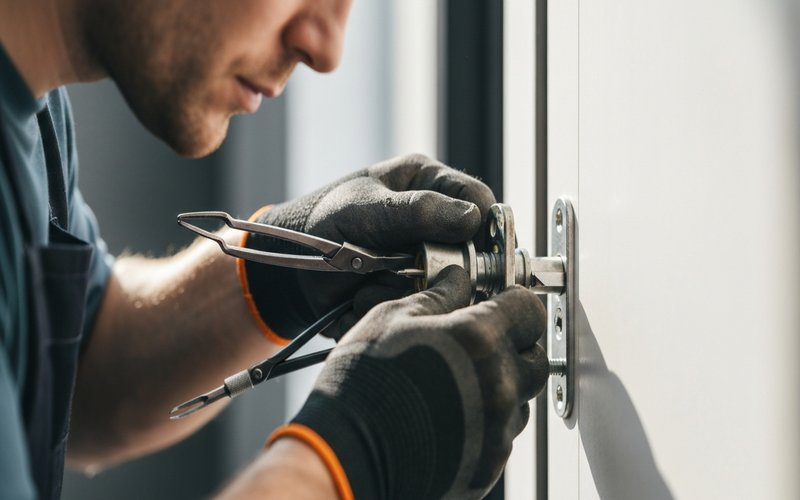
Understand What Locks Can and Cannot Be Opened
Many homeowners wonder about lock security and which types provide the best protection against picking and forced entry. While professional locksmiths can open most conventional locks, some high-security options offer superior resistance to manipulation.
Traditional pin tumbler locks can typically be picked by skilled individuals, though quality brands make this significantly more difficult. Medeco, Mul-T-Lock, and Abloy locks feature advanced designs that resist picking, bumping, and drilling. These high-security locks use unique key systems, special pin configurations, and hardened materials that challenge even experienced lock pickers.
Electronic and biometric locks eliminate traditional keyholes entirely, making them immune to conventional picking techniques. However, they require proper installation and regular maintenance to ensure reliability. No lock is completely unpickable, but investing in quality hardware significantly increases the time and skill required for unauthorized entry, which deters most criminals who prefer easy targets.
Regularly Change Your Locks
Lock replacement isn't just for emergencies—it's an important preventive security measure every homeowner should implement periodically. Several situations warrant immediate lock changes:
- After moving into a new home: Previous owners, contractors, real estate agents, and others may have copies of keys you're unaware of
- Following a break-in or attempted break-in: Criminals may return, and damaged locks compromise security
- When keys are lost or stolen: Anyone who finds your keys could potentially identify your address
- After relationship changes: Divorce, breakups, or roommate departures may necessitate rekeying
- When employees or contractors no longer need access: Housekeepers, dog walkers, or contractors shouldn't retain keys indefinitely
Secure All Entry Points
Front doors receive the most security attention, but burglars often target less obvious entry points that homeowners overlook. A comprehensive security approach addresses every potential access point to your home.
Sliding glass doors are particularly vulnerable because standard locks are often flimsy and easily defeated. Install secondary security bars or pins in the track, and consider upgrading to locks specifically designed for sliding doors. Anti-lift devices prevent intruders from lifting doors off their tracks.
Windows require security measures beyond basic latches. Pin locks, keyed locks, or security bars add layers of protection, especially for ground-floor windows. Window sensors connected to alarm systems provide additional deterrence. Never leave windows open when you're away, even on upper floors—determined criminals use ladders or climbing techniques to access elevated entry points.
Garage doors often connect directly to homes and provide easy access if compromised. Keep garage door openers secure, consider upgrading to smart garage systems with encryption, and always lock the door connecting your garage to your home's interior. If you have windows in your garage door, prevent visibility into the space with frosting or curtains.
Back and side doors frequently have inferior locks compared to front entrances. Apply the same security standards to all exterior doors, including those leading to basements, attics, or storage areas.
Choose Sturdy Doors and Proper Installation
Even the best locks provide inadequate security when installed on weak doors or frames. Hollow-core doors, common in many homes, can be easily kicked in or broken. Solid wood or metal doors offer substantially better resistance to forced entry.
The door frame and strike plate are equally important. A standard strike plate with short screws won't withstand a forceful kick. Replace them with heavy-duty strike plates secured with 3-inch screws that penetrate into the wall studs. Reinforcement kits that strengthen the area around locks and hinges are affordable upgrades that significantly improve security.
Door hinges should be installed on the interior side when possible. If exterior hinges are necessary, use security hinges with non-removable pins or install setscrew hinges that prevent pin removal.
Be Smart About Hiding Places
Many homeowners hide spare keys outside their homes for convenience, but this practice creates security vulnerabilities. Burglars know to check under doormats, above door frames, inside fake rocks, and in planters—these are the first places they look.
Instead of hiding keys outdoors, consider these safer alternatives:
- Give spare keys to trusted neighbors or family members who live nearby
- Install a high-quality lockbox with a secure combination, mounted in a discreet location
- Upgrade to smart locks that allow keyless entry via codes or smartphone apps
- Keep a spare key in your wallet or with a trusted friend
Know When to Call Professional Locksmiths
While DIY home security improvements are valuable, certain situations require professional expertise. Licensed and experienced locksmiths provide services that ensure your security measures function correctly and comply with local regulations.
Professional locksmiths can conduct security assessments, identifying vulnerabilities you might miss. They understand which products suit your specific needs and budget, and they ensure proper installation—improperly installed locks may not function correctly during emergencies.
When you need locksmith services, always request identification and verify credentials before allowing access to your property. Reputable locksmiths provide transparent, affordable pricing with estimates before beginning work. Be wary of unusually low quotes that may indicate scam operations or upselling tactics.
Understanding how locksmiths calculate labor costs helps you budget appropriately. Most charge service call fees to cover travel time, plus labor rates typically ranging from $50-$100 per hour depending on the job complexity and time of day. Emergency services, evening calls, and holidays generally cost more than standard daytime appointments.
Work With Locally Owned, Community-Focused Professionals
Choosing a local locksmith provides advantages beyond convenience. Locally owned businesses like Little Rock Locksmith have reputations to maintain within the community, ensuring quality service and fair pricing. We understand the specific security challenges faced by homeowners in Little Rock and can recommend solutions suited to local conditions and crime patterns.
Local locksmiths typically respond faster during emergencies because they're already in the area. Building a relationship with a trusted local locksmith means you have a reliable resource when you need urgent assistance or security advice.
Conclusion
Protecting your home requires ongoing attention to security details that many homeowners overlook. By investing in high-quality locks, securing all entry points, maintaining sturdy doors and frames, and working with professional locksmiths when needed, you create multiple layers of protection that deter criminals and provide peace of mind.
Remember that home security isn't a one-time project but an ongoing commitment to maintaining and upgrading your protective measures. Regular assessments of your locks, doors, and entry points help identify vulnerabilities before they're exploited.
If you're ready to enhance your home's security or need professional locksmith services in Little Rock, the team at Little Rock Locksmith is here to help. Our licensed and experienced professionals provide transparent, affordable pricing and prioritize your safety and satisfaction. Whether you need lock installation, rekeying, security assessments, or emergency lockout services, we're committed to protecting homes throughout the Little Rock community. Contact us today to schedule a consultation and take the first step toward better home security.